GUIDE Relationship dreams • Anxiety • Context

Dream About Cheating Meaning: Partner, Yourself, and What to Do Next

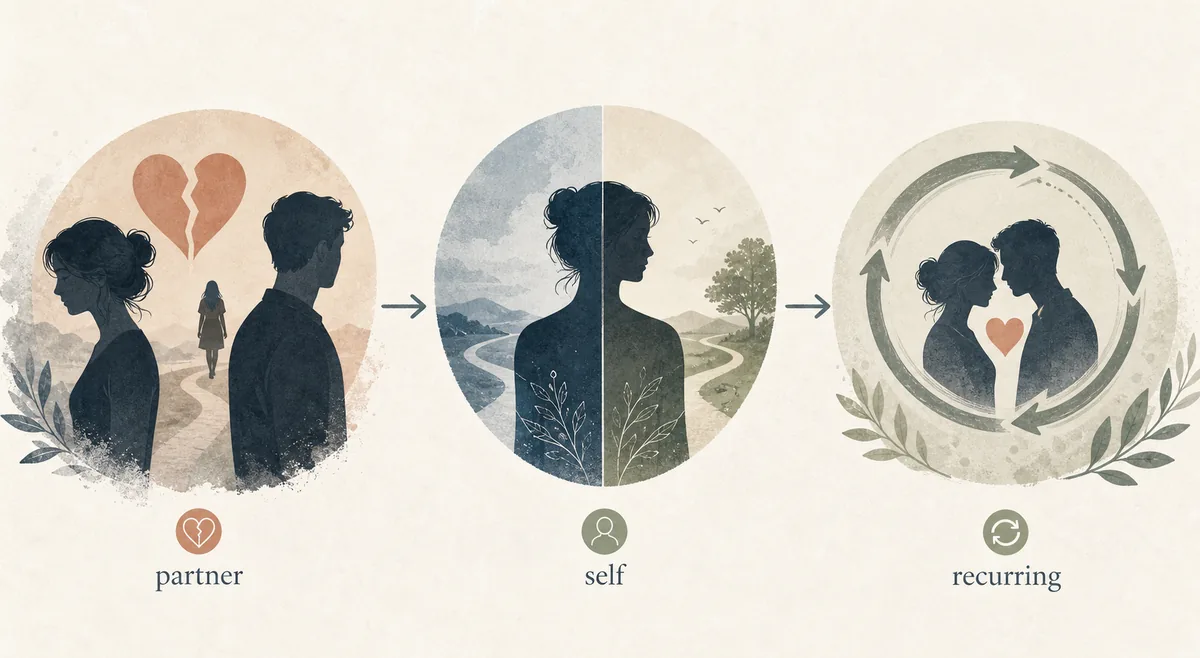
A cheating dream is usually not proof that anyone is cheating. It more often reflects insecurity, guilt, fear of rejection, old relationship wounds, unmet attention, or a situation where trust feels unstable. This guide separates the most common scenarios so you can read the dream without turning it into evidence against yourself or someone else.

Short answer

What does it mean when you dream about cheating?

The safest first reading is emotional, not literal. A dream about cheating often points to a trust question: Am I afraid of losing closeness? Do I feel ignored? Am I hiding a need, a mistake, or a desire for change? The dream can be about your partner, but it can also be about your own boundaries, loyalty to your values, or fear that something important is being taken away.

Context decides the meaning. Dreaming that your partner cheats can feel different from dreaming that you cheat, seeing an ex, being tempted by a stranger, or repeatedly waking up anxious after the same scene. The person, setting, secrecy, guilt, anger, and ending all change the interpretation.

Use this page as a reflection guide, not a relationship verdict. If the dream connects with real behavior that worries you, talk about the real behavior calmly. If it feels like anxiety, old betrayal, or low self-worth, treat it as a signal to understand your needs rather than a demand to accuse someone.

Dream About Cheating Meaning: Partner, Yourself, Signs
The safest first reading is emotional, not literal. A dream about cheating often points to a trust question: Am I afraid of losing closeness? Do I feel ignored? Am I hidi

What does it mean when you dream about cheating?

1

Do not treat it as proof

A dream can reveal fear or longing, but it cannot prove that a partner is cheating or that you secretly want to betray someone.

2

Name the strongest feeling

Jealousy, guilt, relief, curiosity, shame, anger, sadness, and panic each point toward a different interpretation.

3

Compare it with waking life

Look for recent conflict, distance, social media triggers, trust issues, stress, or memories of a past relationship.

Compare Cheating Dream Scenarios

A cheating dream is usually not proof that anyone is cheating. It more often reflects insecurity, guilt, fear of rejection, old relationship wounds, unmet attention, or a situation where trust feels unstable. This guide separates the most common scenarios so you can read the dream without turning it into evidence against yourself or someone else.

Dream scenario Possible meaning Question
Your partner cheats in the dream Fear of replacement, distance, jealousy, old betrayal wounds, or feeling emotionally left out. Where do I feel less chosen, safe, or included right now?
You cheat on your partner Guilt, curiosity, unmet needs, self-sabotage, or a conflict between desire and commitment. What value, boundary, or need feels divided in me?
Cheating with an ex Unfinished comparison, old identity, nostalgia, regret, or a pattern from a previous relationship. What part of that old relationship is still emotionally active?
Cheating with a stranger A hidden wish for novelty, freedom, attention, or a part of yourself that feels unfamiliar. What does the stranger seem to represent: risk, comfort, status, escape?
Catching someone cheating Hypervigilance, fear of being fooled, or a need for clearer communication. Am I responding to evidence or to anxiety from the dream?
Recurring cheating dreams A repeated trust pattern, unresolved hurt, stress trigger, or relationship insecurity that needs attention. What detail repeats every time: place, person, emotion, or ending?
Cheating Dream Meaning
A cheating dream is usually not proof that anyone is cheating. It more often reflects insecurity, guilt, fear of rejection, old relationship wounds, unmet attention, or a situation

Dream About Cheating Meaning: Partner, Yourself, Signs

Context decides the meaning. Dreaming that your partner cheats can feel different from dreaming that you cheat, seeing an ex, being tempted by a stranger, or repeatedly waking up anxious after the same scene. The person, setting, secrecy, guilt, anger, and ending all change the interpretation.

Relationship insecurity

The dream may dramatize a fear that you are not enough, that affection could disappear, or that someone else could take your place.

Example: You wake up angry after seeing your partner choose someone else, even though the day before was only mildly tense.

Need for communication

Cheating scenes often appear when closeness, reassurance, boundaries, or expectations are not being discussed directly.

Example: The dream follows a week of short replies, cancelled plans, or conversations that stayed on the surface.

Guilt or divided loyalty

If you are the one cheating in the dream, the issue may be guilt, secrecy, or feeling split between two wants rather than literal desire.

Example: You feel guilty in the dream because you are avoiding an honest conversation in waking life.

Past betrayal memory

A previous betrayal can train the mind to scan for danger. The dream may be a memory pattern asking for care, not a current accusation.

Example: A new partner is kind, but the dream replays fear from an older relationship.

Fear of abandonment

The cheating image can stand for the larger fear of being replaced, excluded, or suddenly left behind.

Example: The dream appears after your partner spends more time with friends, work, or a new project.

Desire for novelty

Sometimes the dream is less about cheating and more about wanting energy, choice, adventure, or attention in a life that feels predictable.

Example: The stranger in the dream feels like freedom rather than a specific person.

Boundary awareness

The dream can show where a boundary feels unclear: flirting, secrecy, digital messages, emotional intimacy, or privacy.

Example: You wake up wondering what counts as betrayal because the dream tested an unclear line.

Stress and threat rehearsal

Dreams can combine emotion, memory, and social threat. A stressful week can create betrayal scenes even when the relationship is stable.

Example: The dream appears during exams, deadlines, family conflict, or poor sleep.
How to reflect on the dream

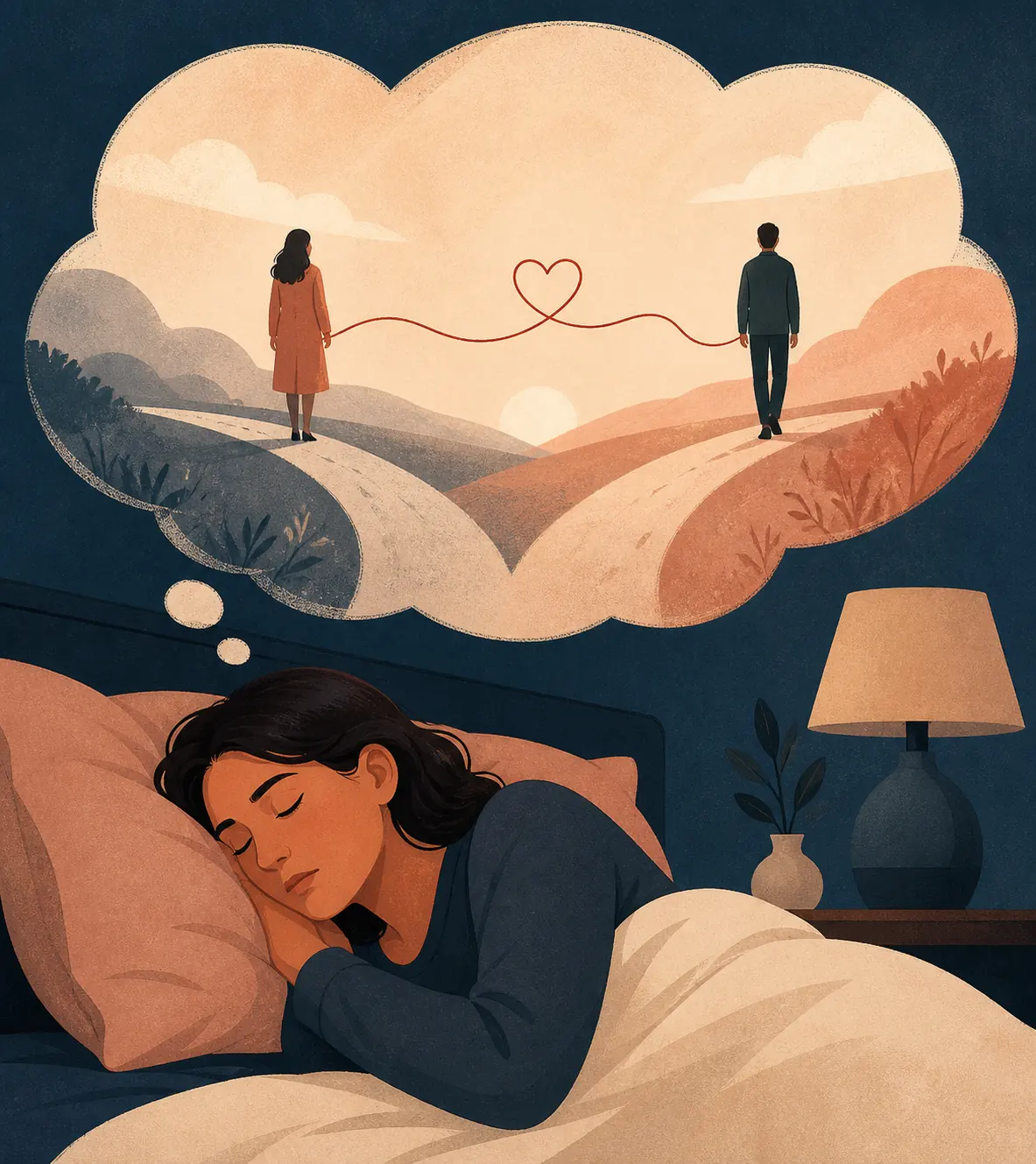
Use this page as a reflection guide, not a relationship verdict. If the dream connects with real behavior that worries you, talk about the real behavior calmly. If it feels like anxiety, old betrayal, or low self-worth, treat it as a signal to understand your needs rather than a demand to accuse someone.

Step 1: Separate dream evidence from real evidence

Write down only what happened in waking life, then write what happened in the dream. Do not mix them when deciding what to say.

Step 2: Track the emotional pattern

If the dream repeats, record the feeling after waking, the person involved, and what changed in your life that week.

Step 3: Ask for reassurance without accusing

Try a sentence like: I had an upsetting dream and noticed I need closeness today, rather than: I dreamed you cheated, so what are you hiding?

Step 4: Look at your own boundaries

If you cheated in the dream, ask whether any real-life boundary, secret, flirtation, or unmet need deserves honest attention.

Step 5: Get support when the dream is linked to trauma

If betrayal dreams trigger panic, compulsive checking, or sleep loss, consider talking with a therapist or trusted counselor.

Evidence and limits

What cheating dreams can and cannot tell you

Dreams can process emotion, memory, social threat, and unresolved concerns. That makes a cheating dream useful for reflection, but it does not make it a reliable lie detector. The content may borrow faces and scenes from daily life while expressing a feeling that is more general than the dream story.

Relationship pages online often jump straight to dramatic meanings. A more useful approach asks what the dream changed in your body: did you wake up jealous, ashamed, relieved, curious, numb, or protective? That feeling usually explains more than the plot.

This guide is separate from the broader dream about someone guide. Use this page when betrayal, secrecy, guilt, temptation, or trust is the central theme. Use the free AI interpreter when the cheating scene appears with other symbols such as water, a house, falling, or a recurring location.

Helpful references

Sleep Foundation: Dreams

Background on dreams, memory, emotion, and sleep.

NIH: Brain Basics - Understanding Sleep

General sleep-stage and brain-activity background.

Verywell Mind: Dreams About Your Partner Cheating

Relationship-focused context for partner-cheating dreams.

Interpret My Full Dream Free

This guide is separate from the broader dream about someone guide. Use this page when betrayal, secrecy, guilt, temptation, or trust is the central theme. Use the free AI interpreter when the cheating scene appears with other symbols such as water, a house, falling, or a recurring location.

Dream detail What AI can organize What you decide
Partner cheating dream Who appeared, how the betrayal was discovered, and what emotion dominated. Whether there is real waking evidence or mainly a need for reassurance.
You cheating in the dream The conflict between guilt, curiosity, secrecy, values, or unmet needs. What honest conversation or boundary check is appropriate.
Recurring cheating dream Repeated characters, locations, endings, and waking-life triggers. Whether the pattern points to anxiety, past hurt, or current relationship repair.

FAQ

Does a dream about cheating mean my partner is cheating?

No. It can reveal fear, insecurity, old hurt, or a need for reassurance, but it is not evidence. Look at waking behavior separately from the dream.

Why did I dream about cheating on my partner?

It may reflect guilt, curiosity, divided loyalty, unmet needs, or fear of crossing a boundary. It does not automatically mean you want to cheat.

Why do I keep dreaming my partner cheats?

Recurring dreams often point to a repeated trust pattern, past betrayal wound, or current anxiety. Track what repeats and consider a calm conversation if the feeling persists.

Should I tell my partner about the dream?

Share the feeling if it would build closeness, but avoid presenting the dream as an accusation. Focus on reassurance, communication, or boundaries.

What if the dream makes me check my partner's phone or messages?

Pause before checking. Compulsive checking usually feeds anxiety. If trust feels unstable, discuss the real issue directly or seek support.